
Mold doesn’t need a major flood to take hold in a home. A slow leak behind a wall, a damp basement corner, or water damage that wasn’t fully dried out can create the conditions mold needs within a matter of days. For Bedford homeowners recovering from any kind of water event, understanding when mold becomes a concern and what remediation actually involves helps separate a manageable situation from one that requires professional attention.
This article covers how mold develops after water damage, the warning signs to watch for, and what the remediation process looks like.
How Mold Develops After Water Damage
Mold spores are present in virtually every home and outdoor environment. What determines whether they turn into a growing colony is moisture, temperature, and time. Once a material like drywall, wood, or carpet padding stays wet, mold can begin developing within a day or two under the right conditions, and it can continue spreading as long as moisture remains.
Bedford’s climate creates a few specific opportunities for this to happen:
- Humid summer months, which can slow drying and add ambient moisture even in areas that weren’t directly wet
- Basements and crawl spaces, common in the area’s housing stock, where limited airflow and groundwater seepage can keep materials damp for extended periods
- Seasonal storms, which can introduce water into a home faster than it gets addressed if the damage isn’t caught early
- Plumbing leaks that go unnoticed, particularly behind walls or under flooring, where moisture can sit for weeks before becoming visible
Warning Signs of Mold After Water Damage
Mold can develop after water damage even when there are no obvious signs of growth. Moisture can remain trapped behind walls, beneath flooring, or in other hidden areas, creating conditions where mold can grow out of sight. Knowing what to look for can help homeowners identify potential problems early.
Mold Isn’t Always Visible
Not always. Mold may appear as fuzzy or discolored patches on walls, ceilings, flooring, or other surfaces, but it can also remain hidden behind walls or beneath flooring. In these cases, a persistent odor or changes in the air quality may be noticeable before any visible mold appears.
Watch for these signs, particularly in areas that have experienced water damage:
- A persistent musty or earthy odor
- Visible discoloration, spotting, or fuzzy growth on walls, ceilings, baseboards, or flooring
- Peeling paint or wallpaper, or warped drywall, which may indicate lingering moisture
- Increased allergy-like symptoms when spending time in a specific area of the home
- Previously water-damaged areas that weren’t fully dried or inspected, which may have a greater risk of hidden mold growth
What to Do If You Suspect Mold
If you suspect mold growth after water damage, taking a cautious approach can help prevent the problem from spreading. Avoid unnecessary disturbance, control any ongoing moisture, and have the affected area assessed before attempting extensive cleanup.
- Avoid disturbing the affected area. Do not scrape, brush, or otherwise disturb visible mold unnecessarily, as disturbing mold growth can release spores into the air and potentially spread contamination.
- Limit airflow through the affected area when practical. Keep doors closed and avoid using fans that could move air from the affected area into other parts of the home. If possible, limit air movement between the affected space and unaffected areas until it can be properly assessed.
- Address the source of moisture. Repair active leaks, plumbing problems, or other sources of water intrusion as soon as it is safe to do so. Mold can continue to grow or return when the underlying moisture problem remains unresolved.
- Have the area professionally assessed. For extensive or recurring mold growth, professional evaluation can help determine the extent of the problem and whether affected materials need to be cleaned, treated, or removed. Household cleaning products may address visible surface growth without resolving hidden contamination or the underlying moisture issue.
The Mold Remediation Process
Professional mold remediation involves more than cleaning visible growth. A complete process identifies the extent of the problem, controls the affected area, removes or cleans contaminated materials, and addresses the moisture conditions that allowed mold to develop. The exact steps may vary depending on the size, location, and severity of the mold growth.
1. Assessment
The process begins by determining the extent of the mold growth and identifying the moisture source that contributed to it. This may involve inspecting visible areas as well as locations where moisture or mold could be hidden. Addressing the underlying moisture problem is essential to help prevent mold from returning.
2. Containment
Affected areas are typically contained to help prevent mold spores from spreading to unaffected parts of the home during remediation. Depending on the situation, this may involve isolating the work area and controlling airflow while cleanup and removal are underway.
Removal
Materials that are too heavily affected to be adequately cleaned, such as saturated drywall or carpet padding, may need to be removed and properly disposed of. Salvageable surfaces and materials are cleaned and treated using methods appropriate for the type and extent of contamination.
Drying and Moisture Control
Thorough drying and moisture control are essential parts of remediation because mold growth is closely tied to excess moisture. The underlying source, whether a plumbing leak, drainage problem, roof issue, or excessive indoor humidity, should be corrected to reduce the risk of continued or recurring growth.
Final Assessment
After remediation and drying are complete, the affected area is reviewed to confirm that the identified mold growth has been properly addressed and that moisture conditions have been corrected. Additional monitoring or testing may be recommended depending on the extent of the original problem and the property’s specific circumstances.
How Does Mold Remediation Relate to Water Damage Restoration?
Mold remediation and water damage restoration are closely connected, but they address different problems. Water damage restoration focuses on extracting water and drying the structure. Mold remediation focuses on removing mold growth and correcting the conditions that allowed it to develop. When water damage isn’t fully dried or is addressed too slowly, the two issues often overlap, since materials that stayed wet long enough to develop mold usually still need the underlying water damage addressed as well.
Preventing Mold After Water Damage
- Address any water intrusion, no matter how small, as soon as it’s discovered
- Use a dehumidifier in basements or crawl spaces prone to humidity, particularly during Bedford’s more humid summer months
- Make sure any area affected by past water damage was fully dried, not just cleaned up on the surface
- Check for hidden leaks periodically, especially in areas like under sinks, behind appliances, and around window wells
- Keep gutters and grading in good condition to reduce the chance of water reaching the foundation
When to Contact Taylor’s Quality Cleaning and Restoration for Mold Concerns in Bedford, IN
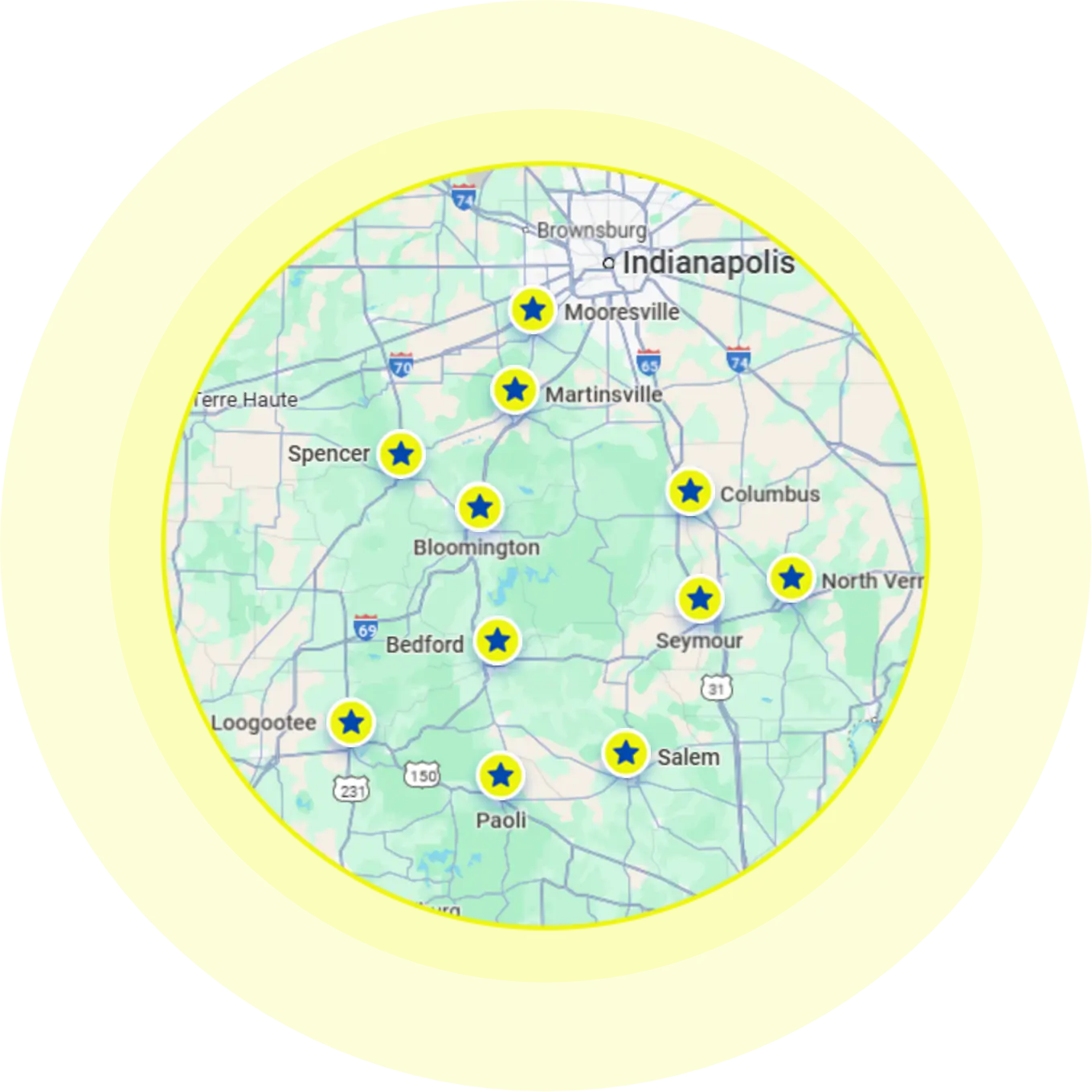
If your Bedford home has experienced water damage and you’re noticing a musty odor, visible discoloration, or any of the other warning signs of mold, it’s worth having the area assessed rather than waiting to see if it resolves on its own. Taylor’s Quality Cleaning and Restoration provides water damage restoration for homes throughout Bedford and the surrounding area, addressing both the moisture source and the damage it leaves behind. If you suspect mold following water damage in your home, contact Taylor’s Quality Cleaning and Restoration to have it assessed.
Frequently Asked Questions
How long does it take for mold to develop after water damage?
Mold can begin developing within one to two days once materials stay wet, particularly in warm, humid conditions. This is one of the main reasons water damage should be addressed as quickly as possible rather than left to dry on its own.
Can mold come back after remediation?
For very small, surface-level areas, general cleaning may help, but household products often don’t address mold growth that has spread into porous materials like drywall or carpet padding, and they don’t resolve the underlying moisture source. For anything beyond a minor surface spot, a professional assessment is the safer approach.
Is mold from water damage covered by homeowners insurance?
It depends on your specific policy and the circumstances that led to the mold. Coverage often depends on whether the underlying water damage was sudden and accidental versus the result of longstanding neglect. Reviewing your policy or speaking with your insurance provider is the most reliable way to understand your coverage.
How do I know if mold is affecting my indoor air quality?
Signs can include a persistent musty odor throughout the home, increased allergy-like symptoms when indoors, or noticeable odor changes when the HVAC system runs. If mold is a concern, having both the affected area and, if relevant, the duct system evaluated gives a fuller picture of the situation.
What's the difference between mold remediation and mold removal?
The terms are often used interchangeably, though remediation typically refers to the broader process of removing mold growth, correcting the moisture source, and confirming conditions no longer support regrowth, rather than just physically removing visible mold.
Can mold come back after remediation?
It can, if the underlying moisture source isn’t fully corrected. That’s why addressing the cause of the water damage, whether it’s a plumbing leak, poor grading, or basement humidity, is a necessary part of remediation rather than a separate step that can be skipped.