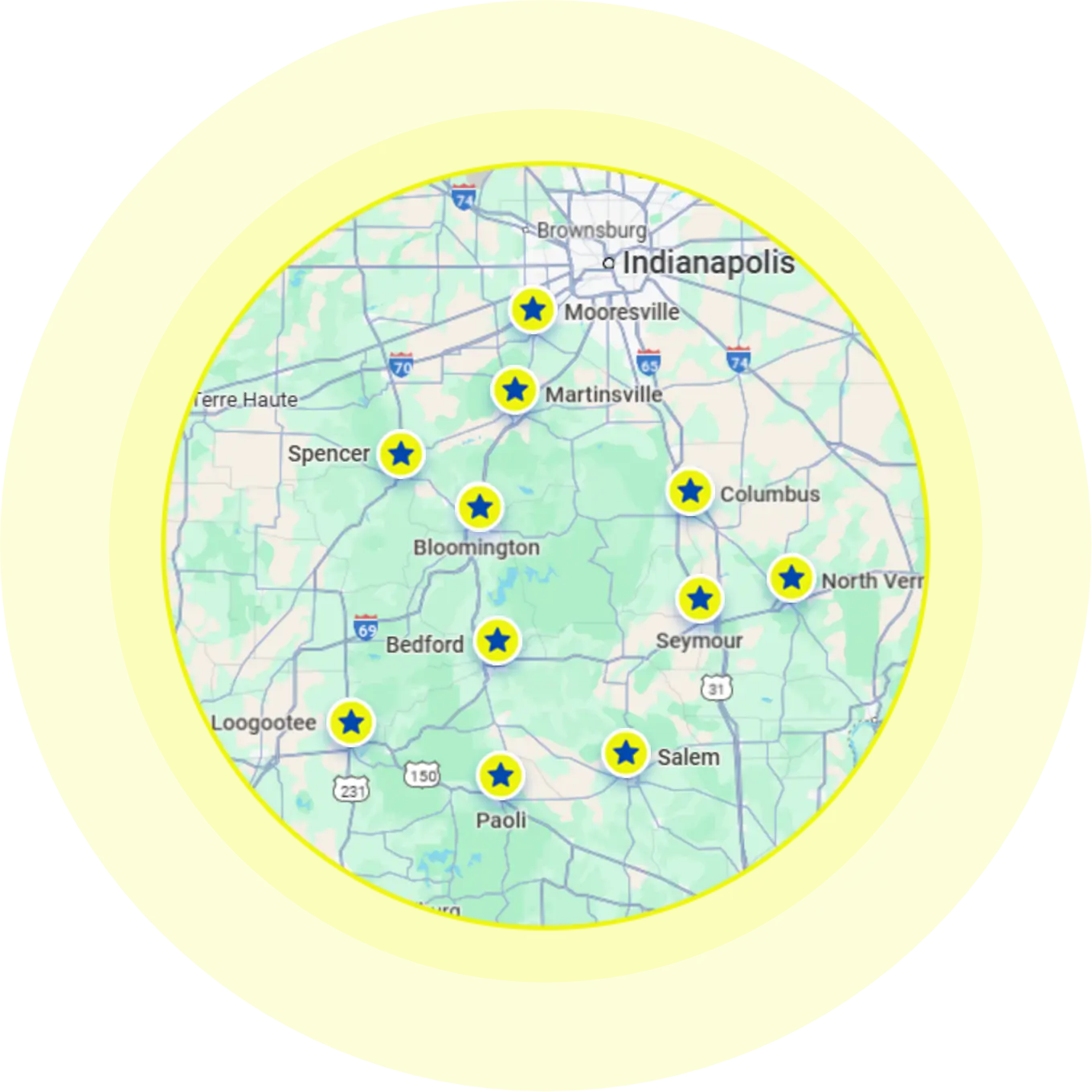

The most common causes of water damage in Bedford properties are aging plumbing systems, sump pump failures during heavy Indiana storms, and seasonal pipe bursts caused by extreme temperature fluctuations. Because Lawrence County is known for its limestone-rich soil, hydrostatic pressure often forces groundwater through foundation walls, leading to significant basement flooding. While some incidents like a water heater rupture are sudden, many Bedford water damage restoration projects stem from slow, hidden leaks that gradually rot structural supports and trigger mold growth.
What is the most common cause of water damage in Indiana?
In Bedford, the most frequent cause of residential water damage is internal plumbing failure, specifically leaking supply lines and aging water heaters. Many homes near the Downtown Business District or in the historic Englewood neighborhood feature older copper or galvanized piping that has thinned over decades of use. When these pipes eventually pinhole or crack, they can release hundreds of gallons of water into wall cavities before the homeowner even notices a damp spot on the drywall.
Appliance malfunctions are another primary driver of local water damage claims. Dishwashers, washing machines, and refrigerators with icemakers all rely on flexible hoses that can become brittle and burst without warning. If an appliance fails while a family is out visiting the bluespring caverns for the day, the resulting standing water can saturate hardwood flooring and migrate into the subfloor, requiring professional extraction to prevent permanent warping.
Preventing these plumbing failures requires regular maintenance and a keen eye for subtle changes in your home. If you notice a sudden drop in water pressure or an unexplained increase in your utility bill, you can visit our contact us page to schedule a professional leak detection service.
Why are plumbing leaks in Bedford so frequent in the winter?
Freezing temperatures are the leading reason for plumbing leaks Bedford residents face during the winter months. When the temperature drops below freezing for several consecutive days, water inside pipes located in unheated crawl spaces or exterior walls can turn to ice. Because water expands as it freezes, it creates immense pressure that the pipe wall cannot contain, leading to a rupture that only becomes apparent once the ice thaws and the water begins to flow again.
Homeowners in rural areas surrounding Bedford, such as Heltonville or Needmore, are particularly susceptible if their crawl spaces are not properly encapsulated or insulated. A single burst pipe can release enough water to flood an entire level of a home in a matter of hours. To mitigate this risk, it is essential to keep your thermostat set to at least 55 degrees and allow faucets to drip slightly during extreme cold snaps to keep water moving through the system.
If you discover a burst pipe during a thaw, the first step is to shut off the main water valve immediately. For professional assistance in drying out the affected areas and repairing the plumbing system, you can reach out through our contact us form for emergency support.
What are the primary flood damage reasons Bedford homeowners face?
The primary flood damage reasons Bedford homeowners encounter are related to heavy seasonal rainfall and the unique topography of Lawrence County. When the White River rises or sudden thunderstorms overwhelm local drainage systems, surface water can pool around foundations and enter homes through window wells or gaps in the masonry. This is especially common in properties located near the bottom of hills or in areas with poor yard grading that allows water to flow toward the house rather than away from it.
Sump pump failure is perhaps the most common “flood” event in local basements. During a heavy downpour, a sump pump can work for hours to keep groundwater at bay; however, if the pump loses power or the mechanical float switch sticks, the basement can fill with water in less than an hour. Many residents in the Oolitic and Mitchell areas invest in battery backup systems specifically to avoid the massive cleanup costs associated with a failed primary pump during a storm.
Proper drainage maintenance is your best defense against rising outdoor water. Keeping your gutters clear of debris ensures that roof runoff is directed at least six feet away from your foundation. To learn more about how we help homeowners stabilize their basements and prevent recurring flooding issues, visit our contact us link for a property assessment.
Common Water Damage Categories and Sources
| Source | Water Category | Risk Level |
| Supply Line Burst | Category 1 (Clean) | Low (if handled in 24 hours) |
| Washing Machine Leak | Category 2 (Gray) | Medium (contains detergents) |
| Sump Pump Overflow | Category 3 (Black) | High (groundwater pathogens) |
| Roof Leak | Category 2 (Gray) | Medium (passes through insulation) |
| Sewage Backup | Category 3 (Black) | Extreme (biohazard) |
How does limestone soil contribute to basement water damage?
Bedford’s world-famous limestone geology plays a significant role in how water interacts with local foundations. Limestone is porous, and while it is a beautiful building material, the soil in Lawrence County can become heavily compacted and saturated. This creates “hydrostatic pressure,” a physical force that pushes groundwater through even the smallest cracks in a concrete or stone foundation. This is why many older homes near the limestone quarries experience “weeping” walls or damp floor joists during the spring thaw.
Furthermore, when the ground becomes fully saturated, it can cause the soil to expand and contract, which may lead to foundation settling. This movement creates new entry points for water, turning a dry basement into a chronic moisture problem. Addressing these issues often requires a combination of interior dehumidification and exterior waterproofing to ensure that the “Limestone Capital” stone stays dry inside the home.
Can a roof leak cause significant structural issues?
Yes, a roof leak is a major cause of water damage that often goes unnoticed until it has caused significant structural harm. In Bedford, heavy winds or hail, common during our spring storm season—can damage shingles or lift flashing around chimneys and vents. Once the water enters the attic, it saturates the insulation, which acts like a heavy wet blanket on your ceiling drywall, eventually causing it to sag or collapse.
Beyond the visible ceiling damage, a roof leak can foster the growth of wood-destroying fungi on the rafters and trusses. Because attics are often poorly ventilated and warm, they provide the perfect environment for mold to thrive. If you notice a musty smell in your upper hallway or see small tea-colored stains on your ceiling, it is vital to have the moisture source identified and dried before the wood begins to rot.
Frequently Asked Questions (PAA)
What is the leading cause of water damage in Bedford?
Statistically, the #1 cause is plumbing failure, particularly leaking pipes and failing water heaters. However, during the spring and summer months, sump pump failure is the leading cause of major “catastrophic” basement flooding in the region.
How do I know if I have a hidden water leak?
Check your water meter while no faucets are running; if the dial is moving, you have a leak. Other signs include unexplained mold growth, a musty odor, or “soft” spots on your flooring or walls.
Is water damage from a storm covered by insurance?
Standard homeowners insurance usually covers water that comes from the “top down” (like a roof leak) or from inside the house (like a burst pipe). It typically does not cover “bottom up” flooding from the ground unless you have a separate flood insurance policy or a sump pump failure rider.
Why does my basement smell like mildew after it rains?
This is often caused by seepage. Even if you don’t see standing water, moisture can push through the porous foundation walls and evaporate into the air, raising the humidity and allowing mildew to grow in your carpet or behind stored items.
Can I dry out my house myself?
While you can mop up surface water, household fans cannot pull moisture out of structural materials like 2×4 studs or subflooring. Professional restoration teams use LGR dehumidifiers to pull moisture from deep within the wood to prevent long-term rot.
Conclusion
From the limestone-heavy soil to the freezing Indiana winters, the Bedford water damage restoration needs of our community are shaped by our unique local environment. Whether you are dealing with a sudden burst pipe in Oolitic or chronic basement seepage near Bedford North Lawrence High School, identifying the cause of the water intrusion is the only way to protect your property long-term. By maintaining your plumbing, testing your sump pump, and keeping your gutters clear, you can prevent the most common causes of water damage from disrupting your life.
For homeowners throughout Lawrence County, from the heart of the Downtown Business District to the quiet outskirts of Bartlettsville, having a local expert to rely on is essential. Taylor’s Quality Cleaning is a trusted local service provider that specializes in providing thorough, expert solutions to the problems discussed in this guide. We take pride in our deep understanding of Bedford’s specific architectural challenges and are dedicated to keeping our neighbors’ homes safe and dry. For professional assistance with any water damage issue, contact Taylor’s Quality Cleaning today.