
A burst pipe in the middle of winter, a sump pump that can’t keep up during a heavy rain, or a slow leak behind a washing machine can all leave a Bedford homeowner facing the same problem: water where it shouldn’t be. Knowing what a professional water damage restoration process actually involves makes it easier to know what to expect once help arrives, and why acting quickly matters.
This article covers the common causes of water damage in Bedford homes, what the restoration process looks like step by step, and how the region’s seasonal weather plays into the timeline.
Common Causes of Water Damage in Bedford Homes
South-central Indiana’s mix of cold winters, humid summers, and seasonal severe weather creates several common paths for water damage:
- Frozen and burst pipes during winter cold snaps, particularly in older homes or homes with pipes running through unheated spaces
- Sump pump failures during heavy rain, especially in homes with basements that rely on a pump to manage groundwater
- Roof and gutter overflow during spring and fall storms
- Appliance and plumbing leaks, including washing machines, water heaters, and supply lines
- Foundation seepage, common in homes where grading or drainage around the foundation hasn’t kept pace with the property’s age
Many homes in and around Bedford have basements or crawl spaces, which means water damage often shows up below ground level before it’s noticed anywhere else in the house.
Why a Fast Response Matters
Once water gets into a home, it doesn’t stay contained to the area where it first appeared. It moves into flooring, baseboards, drywall, and insulation, often traveling further than what’s visible on the surface. In a humid Indiana summer, materials that stay wet can support mold growth within a day or two, and even in a cooler, drier season, saturated materials left unaddressed can lead to structural issues over time. Responding quickly limits both the extent of the damage and the cost of the repair.
What to Do When You Discover Water Damage
Discovering water damage can be stressful, but taking the right steps quickly can help limit further damage and protect your property. Prioritize safety first, then stop the water source, document the damage, and arrange for professional assessment and restoration.
- Stop the water source if it’s safe. Shut off the relevant supply valve or the home’s main water line if the damage is caused by a plumbing leak, burst pipe, or other active water source.
- Avoid electrical hazards. Do not enter standing water near electrical outlets, appliances, or wiring. If you can safely access the breaker panel without coming into contact with water, shut off power to the affected area.
- Document the damage. Take clear photos and videos of affected walls, ceilings, flooring, furniture, and other belongings before moving items or beginning cleanup. This documentation can also be useful for an insurance claim.
- Move valuables and important documents. If it is safe to do so, relocate important documents, electronics, furniture, and other valuable items away from the affected area to prevent additional damage.
- Contact professionals promptly. Reach out to a water damage restoration company for an assessment and to begin appropriate water removal and drying. Notify your insurance provider as soon as possible and keep records of the damage and any restoration-related expenses.
The Water Damage Restoration Process
Professional water damage restoration involves more than removing visible standing water. Moisture can spread into materials and areas that may not appear wet, making proper assessment, extraction, drying, and monitoring important. The restoration process typically follows several steps to identify the damage, remove excess moisture, and return the affected space to a safe, usable condition.
1. Inspection and Assessment
A technician evaluates the source of the water and determines how far it has traveled through flooring, walls, and other materials. The inspection also includes areas that may not appear wet, since moisture can spread behind walls, beneath flooring, and into other hidden spaces.
2. Water Extraction
Standing water is removed using professional extraction equipment appropriate for the amount of water present. Removing bulk water quickly is an important step because prolonged exposure allows more moisture to soak into flooring, padding, subflooring, and other materials.
3. Structural Drying
Once standing water is removed, air movers and dehumidifiers are used to dry materials that have absorbed moisture. Air movers circulate air across wet surfaces to help release trapped moisture, while dehumidifiers remove moisture from the surrounding air. During Bedford’s humid summer months, controlling indoor humidity is especially important because excess moisture in the air can slow the drying process.
4. Moisture Monitoring
Moisture meters are used to track drying progress in walls, flooring, and other affected materials. Technicians compare readings with unaffected areas of the home and continue the drying process until materials reach an appropriate moisture level rather than stopping after a predetermined number of days.
5. Cleaning and Repairs
Depending on the source of the water, affected surfaces may require cleaning and sanitizing, particularly when water has been contaminated by sewage or a backed-up drain. Once the affected areas are thoroughly dry, damaged materials such as drywall, flooring, trim, or other components can be repaired or replaced.
How Long Does Water Damage Restoration Take?
There’s no single timeline, since it depends on how much water was involved, which materials were affected, and how long the area was wet before restoration began. Drying alone can take several days, and the process continues until moisture readings confirm the space has reached a dry standard.
Water Damage and Your Home’s Air Ducts
If water reaches areas near HVAC ductwork, whether from a flooded basement or a roof leak above ductwork in an attic, it’s worth having the ducts inspected separately from the general drying process. Moisture and debris pulled into a duct system can affect indoor air quality even after the visible water damage has been resolved, which is why air duct cleaning is often a relevant next step following a significant water event.
Preventing Water Damage in Your Bedford Home
Regular home maintenance can help Bedford homeowners reduce the risk of leaks, flooding, and water intrusion throughout the year. Seasonal weather changes can put added stress on plumbing, drainage, and other parts of the home, so addressing potential problems early can help prevent more extensive damage.
- Insulate exposed pipes. Insulate pipes in unheated areas such as crawl spaces, garages, and utility areas before winter to help protect them from freezing temperatures and potential pipe bursts.
- Test your sump pump. Check your sump pump before the spring and fall rainy periods to make sure it starts properly, removes water efficiently, and is ready to handle increased rainfall.
- Keep gutters and downspouts clear. Remove leaves, twigs, and other debris throughout the year so rainwater can drain properly and flow away from your home’s foundation.
- Inspect appliance supply lines. Periodically check washing machine and dishwasher hoses and connections for cracks, corrosion, bulging, or other signs of wear that could lead to leaks.
- Know your main water shutoff location. Make sure everyone in your household knows where the main water shutoff valve is located and how to operate it. Knowing how to quickly stop the water supply can help limit damage during a major plumbing leak.
When to Contact Taylor’s Quality Cleaning and Restoration for Water Damage Restoration in Bedford, IN
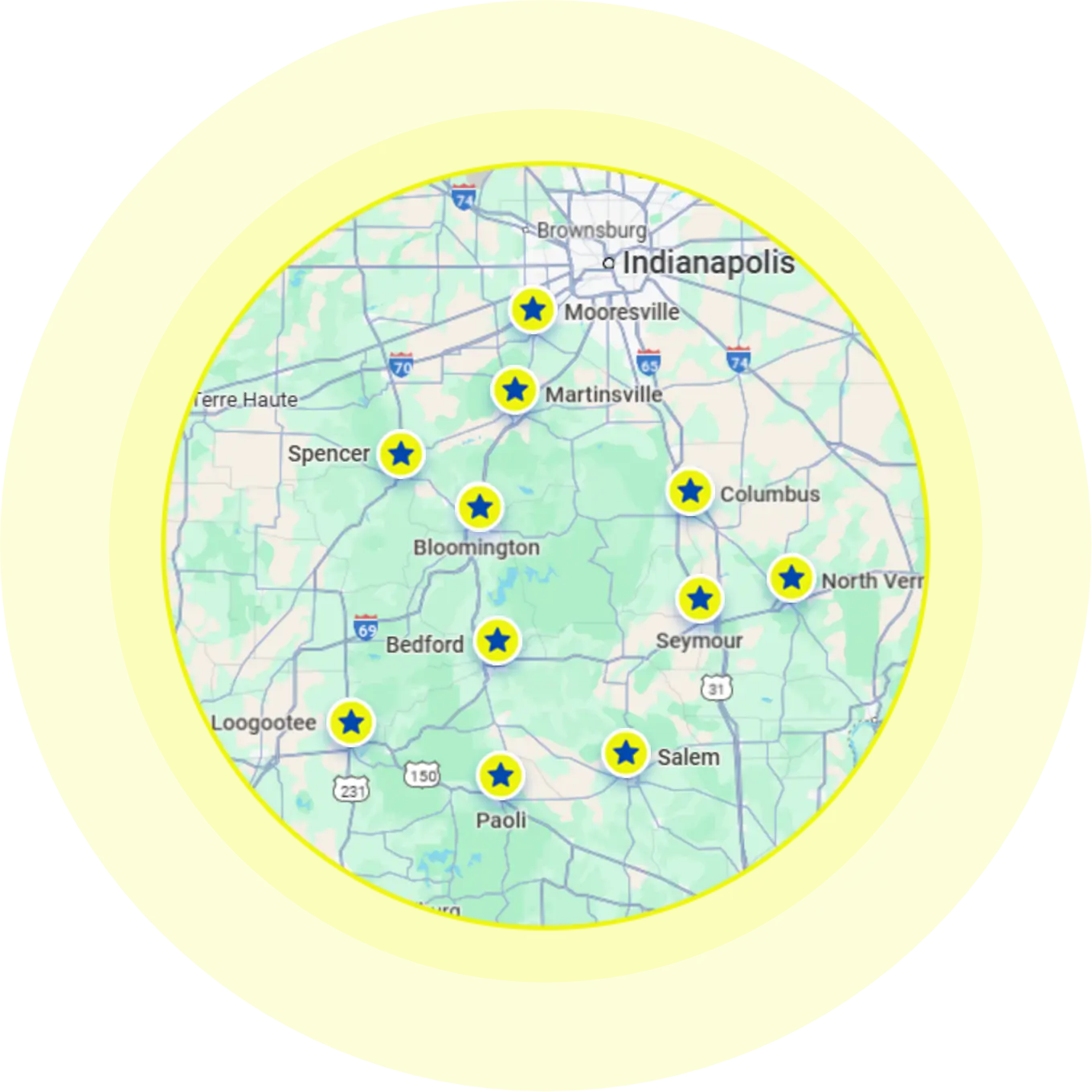
Whether water damage comes from a burst pipe during a cold snap, a sump pump that couldn’t keep up with a heavy rain, or a slow appliance leak, the safest approach is to have it assessed and addressed quickly. Taylor’s Quality Cleaning and Restoration provides water damage restoration and air duct cleaning for homes throughout Bedford and the surrounding area. If your home has water damage, contact Taylor’s Quality Cleaning and Restoration to have it assessed and the restoration process started.
Frequently Asked Questions
What should I do first if I find water damage in my home?
Stop the source of the water if it’s safe to do so, avoid standing water near electrical sources, and contact a water damage restoration company and your insurance provider as soon as possible. Acting quickly limits how far the water spreads.
Does homeowners insurance cover water damage in Bedford, IN?
It depends on the source of the water and your specific policy. Sudden, accidental damage like a burst pipe is often covered, while damage from long-term neglect or groundwater flooding may not be. Reviewing your policy or speaking with your insurance provider is the most reliable way to understand your coverage.
How can I tell if water damage has led to mold?
Signs include a musty odor, visible discoloration on walls or ceilings, or materials that stay damp longer than expected. Because humid conditions can support mold growth relatively quickly once materials are wet, a professional assessment is worth getting if water damage sat for more than a day or two.
Why would water damage affect my HVAC system?
If water reaches areas near ductwork, such as a flooded basement or crawl space where ducts run, moisture and debris can be pulled into the duct system. This is why air duct cleaning is often worth considering as a follow-up step after significant water damage, even once the visible cleanup is finished.
Is it safe to stay in my home during water damage restoration?
In most cases, yes, though it depends on the extent of the damage and which areas of the home are affected. A restoration technician can advise on whether any part of the home should be avoided during drying and repair work.
How can I prevent frozen pipes from causing water damage in winter?
Insulate pipes in unheated areas like crawl spaces, basements, and garages, keep the home heated to a consistent temperature during cold snaps, and let faucets drip slightly during extreme cold if pipes run through areas prone to freezing.