
Facing the aftermath of a property fire is an overwhelming experience that requires immediate, decisive action to prevent permanent secondary damage. If you have reached the point of needing fire remediation in Bedford, you must first ensure the fire department has officially declared the structure safe to enter before attempting to recover any belongings. Once cleared, your priority should be contacting a professional restoration team to secure the property against Indiana’s unpredictable weather and beginning the soot removal process to protect your health and assets. Delaying these steps can lead to permanent etching of glass, tarnishing of metal fixtures, and deep-seated odors that become nearly impossible to remove from local homes and businesses.
How do you start the fire restoration process?
The fire restoration process begins with a professional assessment and immediate stabilization of the property to prevent further loss. You should start by documenting all damage for insurance purposes and then hiring a certified team to board up broken windows and tarp damaged roofs. Because fire remediation in Bedford often involves water damage from firefighting efforts, the restoration process must simultaneously address moisture extraction and structural drying to prevent mold growth.
Once the site is physically secure, technicians focus on soot and smoke removal. Soot is highly acidic and will begin to eat away at surfaces like granite countertops, hardwood floors, and stainless steel appliances within hours. Professionals use specialized chemical sponges and HEPA vacuums to lift these particles rather than smearing them deeper into the material. This initial phase is critical for determining which items can be salvaged and which must be replaced.
Securing the Building Envelope
Indiana weather near the White River can change rapidly. If your roof or windows are compromised, rain can turn a fire loss into a massive mold problem. Securing the envelope involves heavy-duty plywood for windows and industrial-grade tarps for the roof. This keeps out pests and prevents unauthorized entry while your insurance adjuster conducts their walkthrough.
Immediate Power and Utility Safety
Never attempt to turn on the electricity or gas yourself after a fire. Fire can damage hidden wiring within the walls of older homes in the North-End Historic District or near Otis Park. A licensed professional must inspect the systems to ensure there are no gas leaks or electrical shorts that could lead to a secondary fire.
Why is fire remediation in Bedford necessary for your home?
Professional fire remediation in Bedford is necessary because smoke and soot travel through ventilation systems and settle in areas far beyond the actual site of the flames. Even a small kitchen fire on the south side near the Bedford North Lawrence High School can leave microscopic particles throughout the entire house. These particles are not just unsightly; they are toxic and corrosive, posing significant risks to both the building’s structural integrity and the respiratory health of its occupants.
- Corrosion Mitigation: Soot becomes increasingly difficult to remove the longer it sits. It can cause permanent pitting on metal pipes and fixtures.
- Air Quality Restoration: Smoke odors are comprised of complex chemical compounds from burned plastics, wood, and fabrics. Standard cleaning agents cannot neutralize these smells.
- Hidden Damage Detection: Professional teams use thermal imaging to find pockets of moisture or heat that are invisible to the naked eye.
- Insurance Compliance: Most insurance policies require the homeowner to take “reasonable steps” to prevent further damage. Professional remediation fulfills this obligation.
Without specialized equipment like hydroxyl generators and air scrubbers, smoke particles remain trapped in porous materials like drywall and insulation. Over time, these particles can trigger allergies and asthma for residents, making the home uninhabitable even if it looks clean on the surface.
What are the common steps in fire damage cleanup Bedford Indiana?
The standard steps for fire damage cleanup Bedford Indiana involve a systematic approach that includes inspection, boarding up, water extraction, soot removal, and final deodorization. Each step is designed to address a specific byproduct of the fire or the firefighting process.
- Site Inspection and Hazard Assessment: Professionals identify structural weaknesses and hazardous materials like asbestos or lead that may have been disturbed.
- Emergency Board-Up and Tarping: This protects the property from the elements and theft.
- Water Extraction and Drying: If the fire department used hoses, hundreds of gallons of water may be trapped in your subflooring and walls.
- Soot and Smoke Residue Removal: Surfaces are cleaned using specialized techniques based on the type of soot (wet vs. dry).
- Content Cleaning and Pack-Out: Personal belongings are moved to a climate-controlled facility for restoration and storage.
- Deodorization: Thermal fogging or ozone treatment is used to break down odor molecules.
Many homeowners in the Lincoln Avenue area or near the downtown square try to clean soot with household rags, but this often causes “ghosting,” where the soot is pushed into the paint, necessitating a full repaint of the room. Contacting us ensures that the soot is removed without damaging the underlying substrate.
Categorizing the Damage
Restoration experts categorize fire damage into three types: minor, medium, and major. Minor damage involves light smoke and soot affecting only a portion of the building. Medium damage includes significant soot and some structural charring. Major damage often involves widespread structural compromise and heavy water saturation.
Managing Content Restoration
Your personal items, from family heirlooms to everyday clothing, require different cleaning methods. Soft goods like curtains and clothes often require an Esporta Wash System, while hard goods like electronics need ultrasonic cleaning to remove soot from internal circuit boards.
Is 24 hour fire restoration Bedford IN available for emergencies?
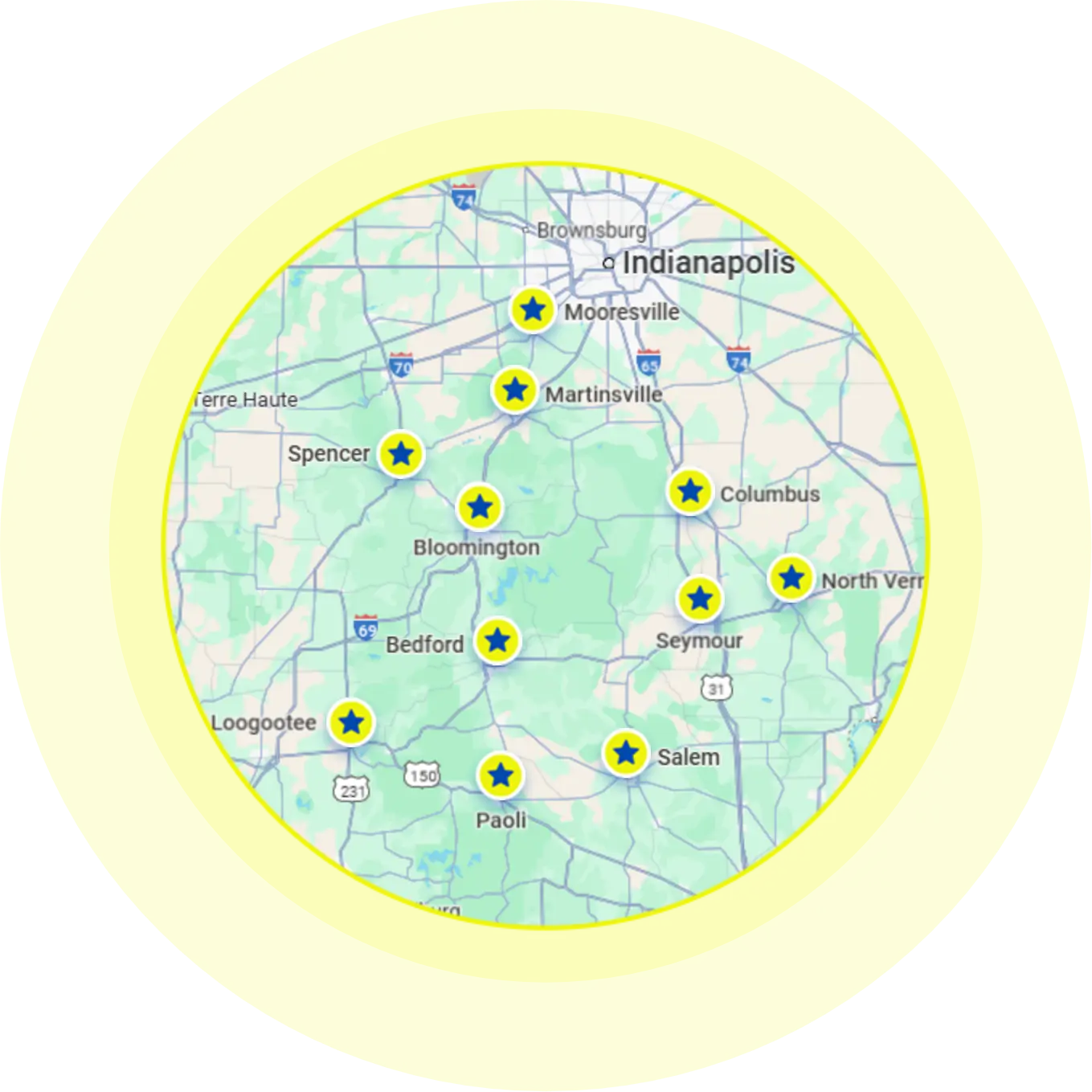
Yes, 24 hour fire restoration Bedford IN services are essential because fire damage does not wait for business hours to begin its corrosive work. Rapid response teams are stationed to reach local neighborhoods like Sunny Acres or the areas surrounding the Lawrence County Museum within an hour of your call. The first 24 to 48 hours are considered the “golden hours” of recovery, where the chance of salvaging high-value items is at its highest.
| Feature | Immediate Response (1-4 Hours) | Delayed Response (24+ Hours) |
| Soot Impact | Surface level, easily wiped | Permanent staining and etching |
| Odor Level | Manageable with basic scrubbing | Deeply embedded in structural wood |
| Mold Risk | Low, if drying begins immediately | High, due to standing water |
| Salvage Rate | 80% to 90% of contents | Less than 50% of contents |
| Cost | Lower, focused on cleaning | Higher, focused on replacement |
Having a team available around the clock means that water can be pumped out before it seeps into the limestone foundations common in Bedford architecture. This quick action protects the structural stability of the building and reduces the overall cost of the insurance claim.
What role does water damage play in fire remediation?
Water damage is often the most significant secondary issue in fire remediation. When the fire department arrives at a scene near Mitchell Road or the Garden District, they must use high-pressure hoses to extinguish the blaze. This leaves your home or business saturated with water that is often contaminated with soot and chemicals.
- Secondary Mold Growth: Mold can begin to grow within 24 to 48 hours in the humid Indiana climate.
- Structural Swelling: Wood studs and floor joists can swell and warp when saturated, leading to long-term leveling issues.
- limestone Sensitivity: While Bedford is the “Limestone Capital of the World,” the stone is porous. Firefighting chemicals and dirty water can stain limestone facades if not cleaned quickly.
Managing this moisture requires industrial-grade dehumidifiers and high-velocity air movers. Professionals monitor the “dry standard” of your home by comparing moisture readings in the damaged areas to those in unaffected parts of the house. This ensures that the building is truly dry before any reconstruction begins.
How do you handle smoke odor removal effectively?
Effective smoke odor removal requires neutralizing the odor molecules at their source rather than masking them with fragrances. In Bedford, where many historic homes feature original woodwork, smoke can penetrate deep into the grain of the wood. Professionals use several advanced technologies to handle this.
The first step is usually air scrubbing, which uses HEPA and charcoal filters to remove airborne particles. Next, thermal fogging replicates the behavior of fire by sending a neutralizing “fog” into the same cracks and crevices where the smoke traveled. For particularly stubborn smells, ozone generators or hydroxyl generators are used to chemically alter the odor-causing molecules, rendering them odorless.
When choosing a service provider, contacting us allows you to connect with experts who understand the specific needs of Indiana properties. Proper deodorization is the difference between a home that “looks” clean and a home that is truly restored to its pre-loss condition.
The Science of Smoke Particles
Smoke particles are as small as 0.1 microns. For context, a human hair is about 70 microns wide. Because these particles are so small, they can bypass standard vacuum filters and settle inside wall cavities. Only specialized remediation equipment can effectively capture and neutralize these microscopic threats.
Thermal Fogging vs. Ozone
Thermal fogging is often preferred for rapid results, as it uses a solvent-based deodorant that is heated and sprayed. Ozone, while highly effective, requires the property to be completely vacant of humans, pets, and plants for several hours because it replaces oxygen with O3 to oxidize the odors.
What should you look for in a local restoration company?
When choosing a company for fire remediation in Bedford, you should look for ICRC certification, local experience, and a comprehensive service offering. A company that understands the local building codes in Lawrence County and has relationships with local insurance adjusters can significantly streamline the recovery process.
- Local Knowledge: They should be familiar with the architecture of the area, from 19th-century brick buildings to modern developments near the Milwaukee Trail.
- Turnkey Services: The best companies handle everything from the initial board-up to the final paint stroke.
- Insurance Coordination: Direct billing to insurance companies takes the financial and administrative burden off the homeowner.
- References: A reputable local company will have testimonials from other Bedford residents who have faced similar crises.
A local team will also be aware of the environmental factors in the region, such as the high humidity levels during the Indiana summers, which can complicate the drying and deodorization process. By hiring locals, you ensure that the technicians can arrive on-site quickly during an emergency.
FAQ: Common Questions About Fire Remediation in Bedford
Can I clean the fire damage myself?
It is not recommended to clean fire damage yourself because soot is toxic and requires specialized chemicals and equipment for safe removal. Without the proper PPE (Personal Protective Equipment), you risk inhaling carcinogens. Furthermore, using the wrong cleaning agent on certain surfaces can cause permanent chemical reactions that lock in the stains.
How long does the fire remediation process take?
The timeline varies depending on the severity of the fire, but a typical remediation project takes between two weeks and two months. The initial cleanup and stabilization usually happen within the first week, while the reconstruction and final deodorization take longer. A professional assessment will provide a more accurate timeline for your specific property near the Oolitic area or downtown.
Will my insurance cover the cost of fire remediation?
Most standard homeowners’ insurance policies in Indiana cover fire remediation and restoration. It is important to review your specific policy for “Actual Cash Value” versus “Replacement Cost.” Professionals often work directly with adjusters to ensure all necessary remediation steps are documented and covered under your claim.
What happens to my furniture and clothes?
Personal belongings are often moved to a specialized facility for cleaning, a process known as a “pack-out.” Using ultrasonic cleaning for hard items and specialized laundry systems for soft items, many pieces of furniture and clothing can be saved. If an item is deemed non-salvageable, it will be added to a “total loss” list for your insurance reimbursement.
Is it safe to stay in my house during the cleanup?
Generally, it is not safe to stay in a home during the fire remediation process. The presence of airborne soot, high-voltage equipment, and the lack of utilities makes the environment hazardous. Most insurance policies include “Loss of Use” coverage, which pays for a hotel or rental property while your home is being restored.
Conclusion
Navigating the aftermath of a fire is a journey that requires professional expertise and a compassionate approach. From the moment the flames are extinguished, the clock is ticking against the corrosive effects of soot and the potential for mold growth. By acting immediately and following the proper steps of stabilization, cleaning, and deodorization, you can protect your property and ensure a safe environment for your family. Understanding the local nuances of fire remediation in Bedford is essential for a successful restoration.
When you are faced with this crisis, you need a partner who understands the local landscape and the technical requirements of property recovery. Taylor’s Quality Cleaning is a trusted local service provider dedicated to helping the Bedford community recover from fire and water emergencies. Our team provides the expert solutions needed to handle the complex challenges discussed in this guide, ensuring your home or business is returned to its original state with care and precision. Using the right professionals is the first step toward reclaiming your peace of mind and your property.