
Water damage doesn’t always stop at the visible mess. If water reaches an area near ductwork, whether that’s a flooded basement, a leak above ceiling ducts, or a crawl space where supply lines run, the HVAC system can end up drawing moisture, debris, and odors through the home long after the floors and walls have dried. For Bedford homeowners dealing with recent water damage, air duct cleaning is often a step worth adding to the recovery process rather than an afterthought.
This article covers how water damage affects HVAC ductwork, the signs it’s time for a cleaning, and what the process involves.
How Water Damage Affects Air Ducts
Ductwork runs through basements, crawl spaces, attics, and wall cavities, which means it’s often in the same areas where water damage happens. When water reaches ducts, a few things can occur:
- Moisture inside the ducts can support mold growth within the system itself, especially in ducts made of materials that hold onto dampness
- Debris and sediment from flooding can settle inside ducts and get circulated through the home once the HVAC system runs again
- Musty odors can develop and spread through the house every time the heating or cooling system cycles on
- Reduced airflow can result if debris or moisture buildup restricts duct passages
Because ductwork is largely out of sight, this kind of damage can go unnoticed while a homeowner focuses on drying visible areas like flooring and drywall.
Signs Your Ducts May Need Cleaning After Water Damage
Water damage can affect HVAC ductwork when moisture enters or accumulates around the system. Because ducts are often hidden from view, problems may not be immediately obvious after the rest of the property has been dried and cleaned. Watch for these signs that your duct system may need further evaluation:
- Musty or stale odors: A persistent odor that becomes noticeable when the HVAC system runs may indicate lingering moisture or contamination within or around the ductwork.
- Visible mold or discoloration: Mold-like growth, staining, or unusual discoloration around vents, registers, or accessible duct components may warrant professional inspection.
- Increased dust or debris: If unusual amounts of dust, debris, or other particles are blowing from vents, the duct system may need to be evaluated.
- Changes in airflow: Uneven airflow or rooms that no longer heat or cool as effectively as they did before may indicate an issue with the HVAC system or ductwork.
- Recent water damage or high humidity: A history of flooding, leaks, or prolonged humidity near ductwork can increase the potential for moisture-related problems within the system.
If these signs appear after a water event, consider having the HVAC and duct system evaluated separately from the general restoration work. This can help determine whether additional cleaning, drying, or repairs are needed.
Why This Matters More in Bedford’s Climate
South-central Indiana sees both humid summers and cold winters, and the HVAC system runs heavily in both seasons, whether for air conditioning or heating. That means any moisture, mold, or debris sitting in the ductwork gets circulated through the home regularly rather than sitting dormant. In a region where basements and crawl spaces are common, and where those spaces are also common locations for both ductwork and water damage, the two issues often overlap more than homeowners expect.
What the Air Duct Cleaning Process Involves
Professional air duct cleaning involves more than removing dust from visible vents. After water damage, the system should be evaluated for moisture, debris, and other contaminants that may have entered the ductwork. A thorough process helps determine whether cleaning is needed and whether any moisture related issues require additional attention.
1. Inspection
A technician evaluates the duct system to identify visible debris, moisture, discoloration, or other potential concerns. The inspection also helps determine the system’s layout and identify accessible areas that require attention before cleaning begins.
2. Cleaning
Specialized equipment is used to loosen and remove dust, debris, and buildup from inside the ductwork. Cleaning should address the duct system rather than focusing only on the vents and registers visible in individual rooms.
3. Addressing Moisture or Mold Concerns
If water damage has introduced moisture or mold into the duct system, those concerns should be addressed appropriately. Simply removing dust and debris does not resolve an underlying moisture problem that could continue affecting the ductwork.
4. Final Check
After cleaning is complete, vents and registers are reassembled and the system can be checked for proper airflow. This final inspection helps confirm that the work is complete and that the HVAC system is operating as expected.
Air Duct Cleaning as Part of a Full Water Damage Recovery
For a home that’s experienced significant water damage, whether from a burst pipe, a flooded basement, or a roof leak that reached the attic, addressing the ductwork is a natural extension of the broader water damage restoration process. Drying the structure and repairing visible damage solves part of the problem, but if moisture or debris made its way into the HVAC system, that part of the recovery is easy to overlook unless it’s specifically checked.
When to Contact Taylor’s Quality Cleaning and Restoration for Air Duct Cleaning in Bedford, IN
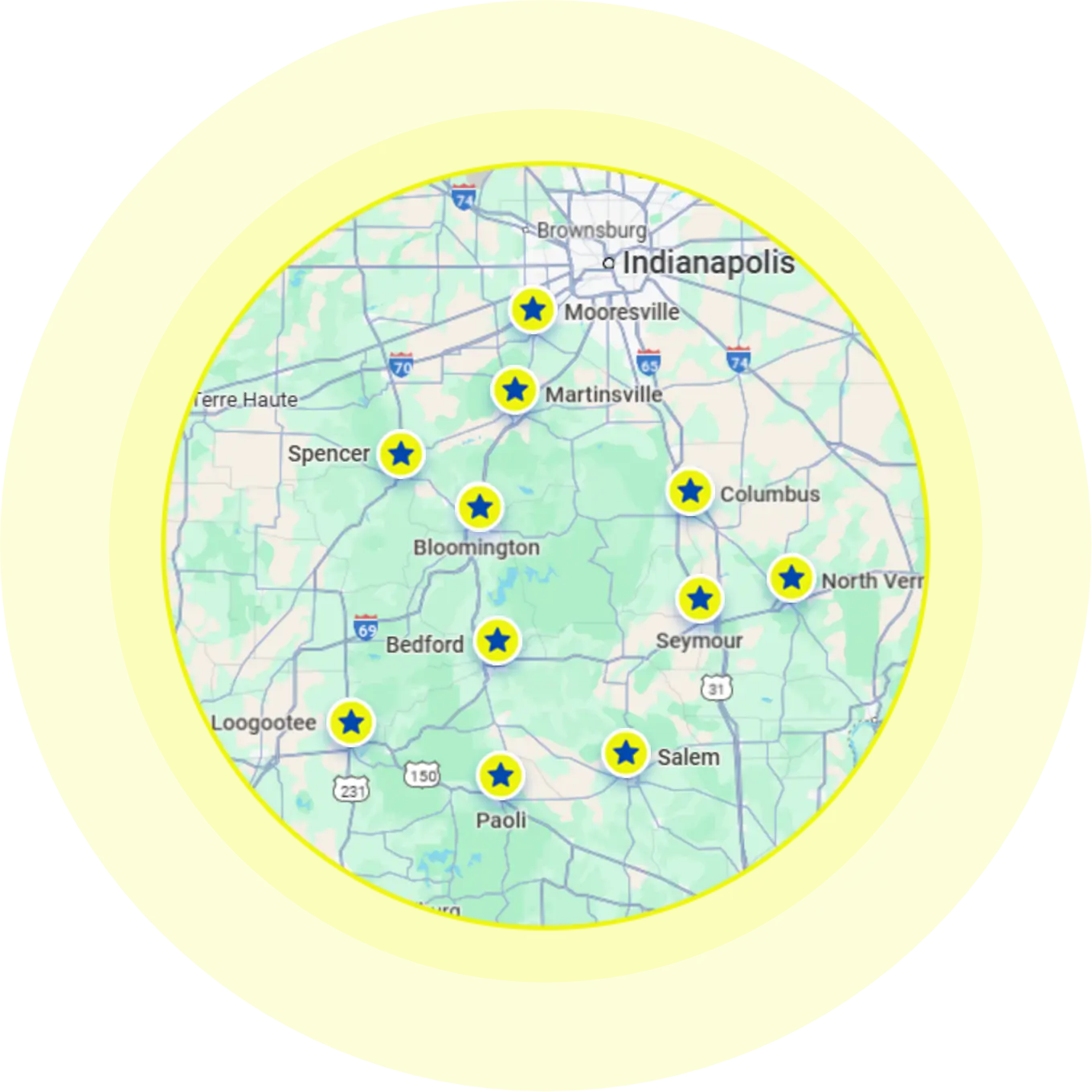
If your Bedford home has experienced recent water damage, or you’ve noticed a musty odor, visible debris, or uneven airflow from your vents, it’s worth having your ductwork evaluated. Taylor’s Quality Cleaning and Restoration provides air duct cleaning along with water damage restoration for homes throughout Bedford and the surrounding area. If you’re dealing with water damage or ongoing air quality concerns tied to your HVAC system, contact Taylor’s Quality Cleaning and Restoration to have your ducts assessed.
Frequently Asked Questions
How do I know if my air ducts need cleaning after water damage?
Watch for a musty odor when the HVAC system runs, visible debris near vents, or uneven airflow throughout the home. If your home experienced flooding or a significant leak near ductwork, it’s worth having the system inspected even if you don’t notice obvious symptoms yet.
Can mold grow inside air ducts after water damage?
Yes, if moisture reaches the interior of the duct system and isn’t addressed. Because ducts are largely hidden from view, mold growth inside them can go unnoticed while a homeowner focuses on visible water damage elsewhere in the home.
How often should air ducts be cleaned in a Bedford, IN home?
Outside of a water damage event, general recommendations vary based on household factors like pets, allergies, and how often the HVAC system runs. After a specific water damage incident near ductwork, having the system checked as part of the recovery process is a reasonable step regardless of your regular cleaning schedule.
Will cleaning my air ducts fix a musty smell in my house?
If the odor is coming from moisture or debris inside the ducts, cleaning can resolve it. If the smell is coming from another source, such as damp materials elsewhere in the home, that source needs to be addressed as well for the odor to fully go away.
Does air duct cleaning help with indoor air quality after water damage?
It can, since removing debris, dust, and any moisture-related buildup from the duct system reduces what gets circulated through the home each time the HVAC system runs. It’s one part of a broader effort to restore indoor air quality alongside drying and repairing the affected structure.
Is air duct cleaning necessary if the water damage didn't happen near my ductwork?
Not necessarily. If ductwork wasn’t in the affected area and there’s no sign of moisture, odor, or debris related to the vents, a full duct cleaning may not be needed. A quick inspection can help determine whether it’s a relevant step for your specific situation.